Storing Trading Cards: How to Protect Your Collection
Storing trading cards properly is the cheapest way to protect their value. A card that leaves the pack in perfect shape can lose most of its value to one bent corner, a scratch or a summer in a hot attic. The good news is that the right supplies cost very little. This guide covers card sleeves, toploaders, semi-rigid holders, magnetic cases, binders, storage boxes, slabs and sealed product, plus the environment your collection needs.
The advice works the same for Pokémon, One Piece, Lorcana, Magic: The Gathering and sports cards.
Table of contents
A starter kit for storing trading cards
If you are starting from scratch, you do not need to buy everything at once. This small kit covers storing trading cards for most new collectors, and it costs less than a single booster box:
- Two packs of penny card sleeves (200 sleeves) for rares and hits.
- A pack of 25 standard toploaders for your most valuable cards.
- A zip side-loading binder for the cards you want to see and show.
- A cardboard storage box sized for a few thousand cards, with dividers, for bulk.
- A few silica gel packets if you live somewhere humid.
Label each box on the outside with what is inside, such as the set names or players, so you never have to dig through every box to find one card. Add magnetic holders, slab boxes and acrylic cases later, as your collection grows. Buying card sleeves in bulk is the easiest saving: you will always use more than you expect.
Quick guide: what to use for which card
| Card | Best storage |
|---|---|
| Bulk commons and energy | Cardboard storage box, no sleeves needed |
| Rares you may trade | Penny sleeve in a side-loading binder |
| Valuable singles | Penny sleeve inside a toploader or magnetic holder |
| Cards going to grading | Penny sleeve inside a semi-rigid holder |
| Deck cards you play with | Inner perfect-fit sleeve plus an outer deck sleeve |
| Graded slabs | Slab storage box, stored upright |
| Sealed boxes | Original shrink wrap, acrylic case for valuable boxes |
Card sleeves: the first layer of protection
When storing trading cards, every card worth more than a few cents should go into a sleeve as soon as it leaves the pack. Card sleeves stop scratches, fingerprints and edge wear, and they are the first step for every other storage method.
Penny sleeves
Penny card sleeves are thin, clear, soft plastic sleeves sold in packs of 100. They are the standard first layer for collectors. Slide the card in gently, top edge first, so the corners do not catch on the opening.
Perfect-fit inner sleeves
Perfect-fit sleeves hug the card tightly and are made to go inside a second sleeve. Players use them to double-sleeve decks, which keeps dust and spills away from the card.
Deck sleeves
Deck sleeves are thicker, often with a colored back, and are made for shuffling. Use them for cards you play with. For long-term storage of valuable cards, clear penny sleeves plus a rigid holder are better.
Look for card sleeves labeled acid-free and PVC-free. Older PVC plastics can release chemicals over time that damage card surfaces.
Toploaders and rigid holders
Toploaders are rigid plastic holders that stop cards from bending. They are the most popular way of storing trading cards that matter. Always put the card in a penny sleeve first, then slide the sleeved card into the toploader.
Choosing the right thickness
Toploaders are sized by the thickness of card they hold, measured in “points” (pt). Standard 35pt toploaders fit most modern trading cards. Thicker cards, such as memorabilia relics, patch cards and some premium sports inserts, need thicker toploaders, so check the card’s thickness before you buy. A card that is squeezed into a holder that is too thin can bend or dent.
Sealing toploaders
To stop a card sliding out, you can fold a small piece of painter’s tape over the opening, or use team bags, which are resealable plastic bags sized for toploaders. Avoid regular tape that touches the sleeve, as its adhesive can leave residue.
Semi-rigid holders for grading
Semi-rigid holders, often sold under the Card Saver name, are softer than toploaders and slightly bendable. Grading companies often prefer them because cards are easier to remove without risk. If you plan to send cards to PSA, BGS or CGC, put them in penny sleeves and semi-rigid holders. Our card grading guide explains the full process.
Magnetic one-touch holders
Magnetic holders, often called one-touches, are two hard plastic halves held together by a magnet. They look great on display and protect better than toploaders against scratches and dust. Like toploaders, they come in different point sizes, and some include UV protection. They cost more, so most collectors use them for their best raw cards and favorite display pieces.
Binders: good and bad choices
For storing trading cards you want to see, binders are perfect for showing off a set or a collection theme. The type of binder matters a lot.
- Use side-loading pocket binders. Cards slide in from the side, so they are less likely to fall out, and dust stays out.
- Prefer zip binders for travel. A zip closure keeps cards in place if the binder is dropped.
- Avoid ring binders for valuable cards. Pages near the rings can press dents into cards when the binder is closed.
- Do not overfill pockets. One card per pocket. Doubling up causes edge wear.
- Store binders upright, like books on a shelf. Stacking binders flat puts weight on the cards inside.
Binders are fine for most rares, but put your most valuable cards in toploaders or magnetic holders instead.
Storage boxes for bulk and toploaders
Cardboard storage boxes are the cheapest way of storing trading cards in bulk. They come in sizes from a few hundred to several thousand cards, and long “monster” boxes hold big collections. Sort by set, number or player, and use dividers so you can find cards quickly.
There are also boxes sized for cards in toploaders and for graded slabs. Keep toploaders standing upright, not stacked flat in a pile, and do not pack a box so tightly that you have to force cards in.
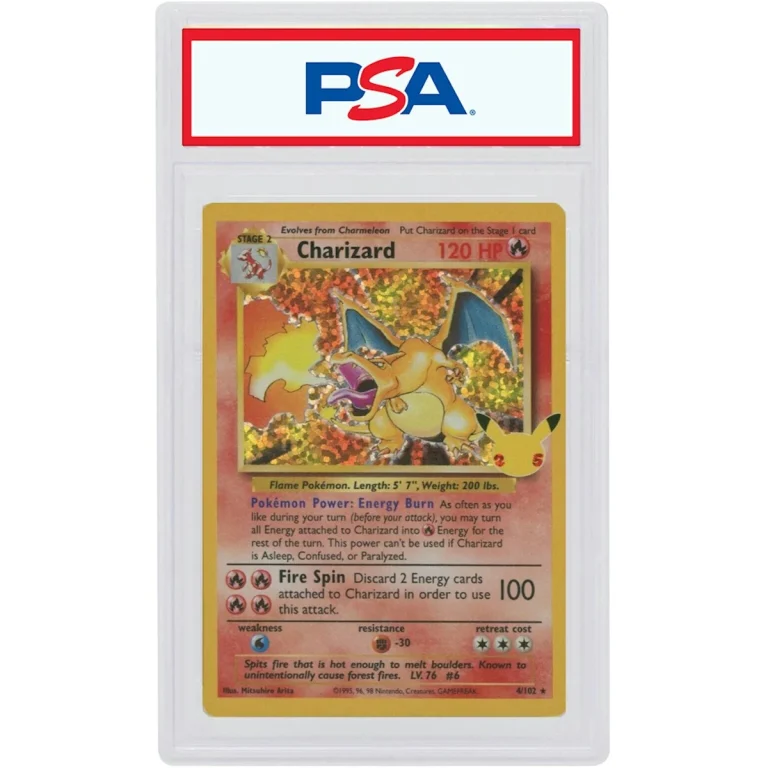
Storing graded slabs
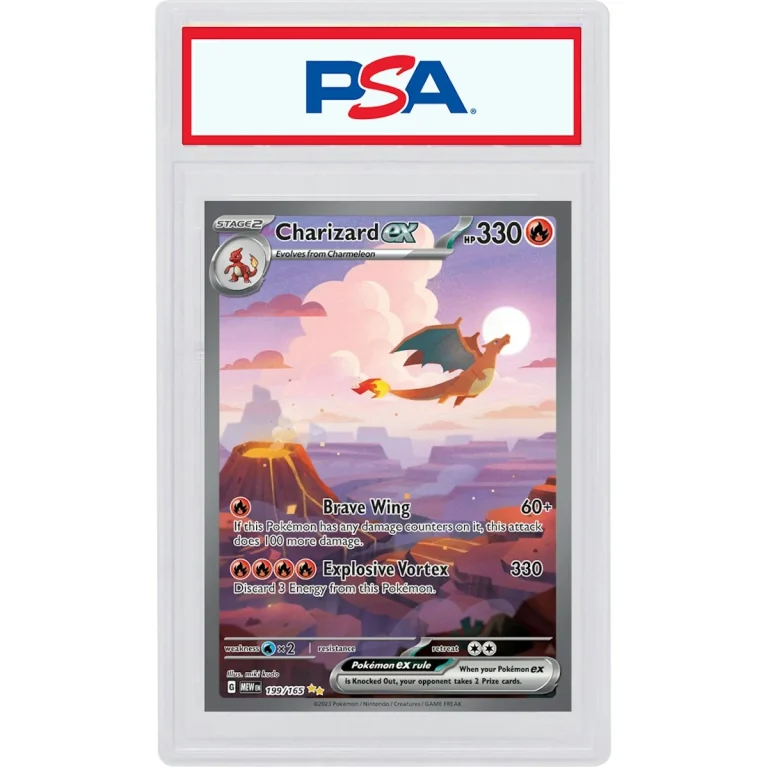
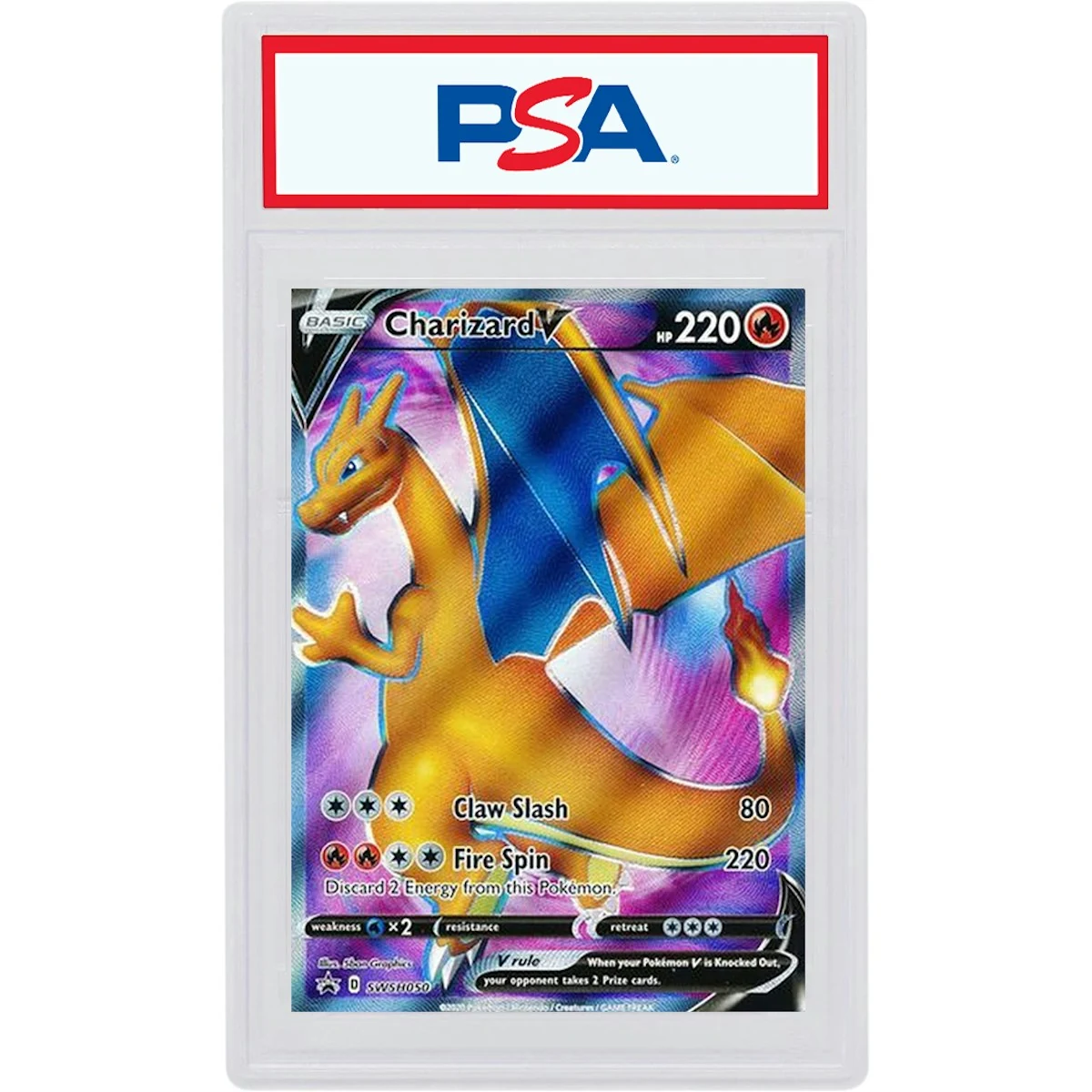
Slabs are the most protected way of storing trading cards, but they can still crack or scratch. Store them upright in a slab box or a padded case, never loose in a drawer where they can knock together. Many collectors keep each slab in a slab sleeve to protect the plastic from scratches.
Keep a list of certification numbers and photos of every slab. It makes insurance claims much easier and lets you check each card against the grading company’s online database.
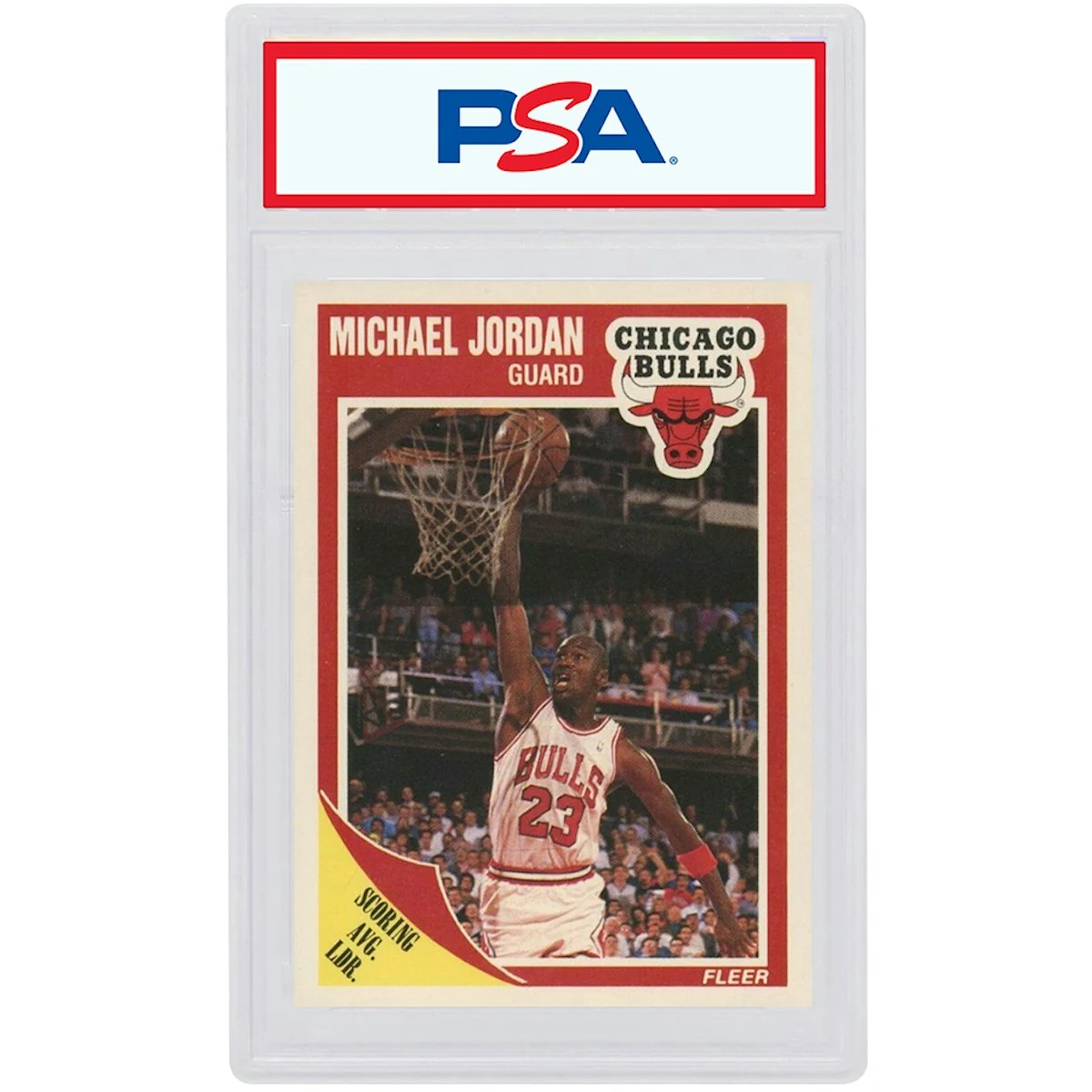
Browse our graded singles for PSA and BGS slabs across Pokémon, sports and One Piece, such as the 1989 Fleer Michael Jordan.
The right environment
Where you keep your collection matters as much as what you keep it in. Cards are made of paper, ink and foil, and they react to light, heat and moisture.
- Light: sunlight and strong indoor light fade colors over time. Keep cards and boxes out of direct light, and choose UV-protected holders for display.
- Heat: avoid attics, garages, cars and spots near radiators. Heat can warp cards and soften plastic.
- Humidity: damp air causes curling and can lead to mold. Basements are often too humid. A normal living space works well, and silica gel packets inside storage boxes help absorb moisture.
- Stability: steady conditions are better than swings. A closet in an inside room is ideal.
A cheap digital hygrometer, the small gauge sold for guitars, humidors and reptile tanks, shows the humidity where your cards live. Check it in different seasons. If the reading stays high for weeks, move the collection to a drier room or add more silica gel, and swap the packets when they are saturated. Many silica packets change color when they need replacing or recharging.
Collections near outside walls, windows or air vents see the biggest swings, so an inside closet or a shelf in the middle of a room is usually the safest spot for storing trading cards and sealed boxes alike.
Holo and foil cards curl most in humid conditions. If cards start to curl, move them somewhere drier and store them flat under light, even pressure, not under heavy books.
Storing sealed product
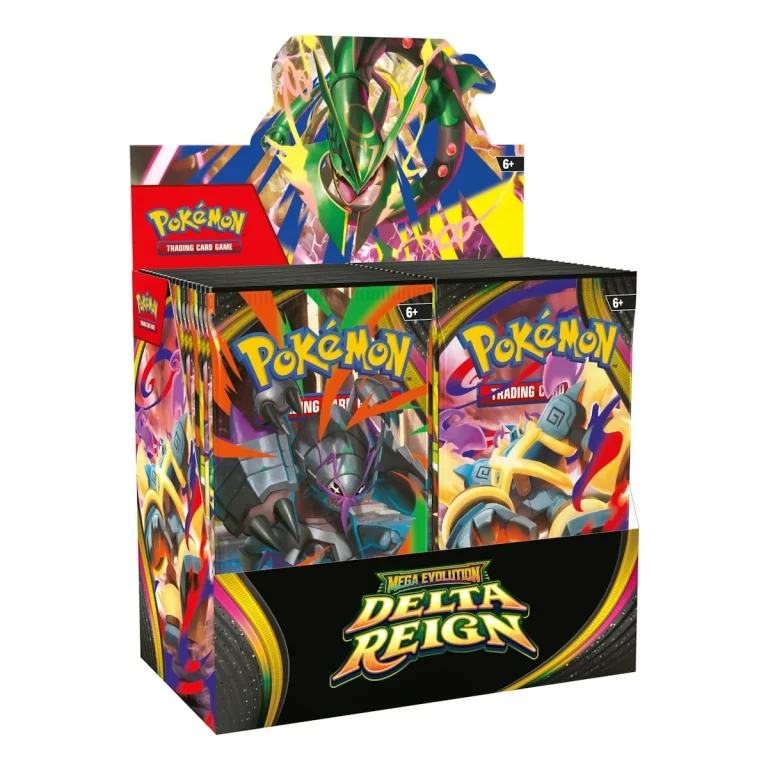
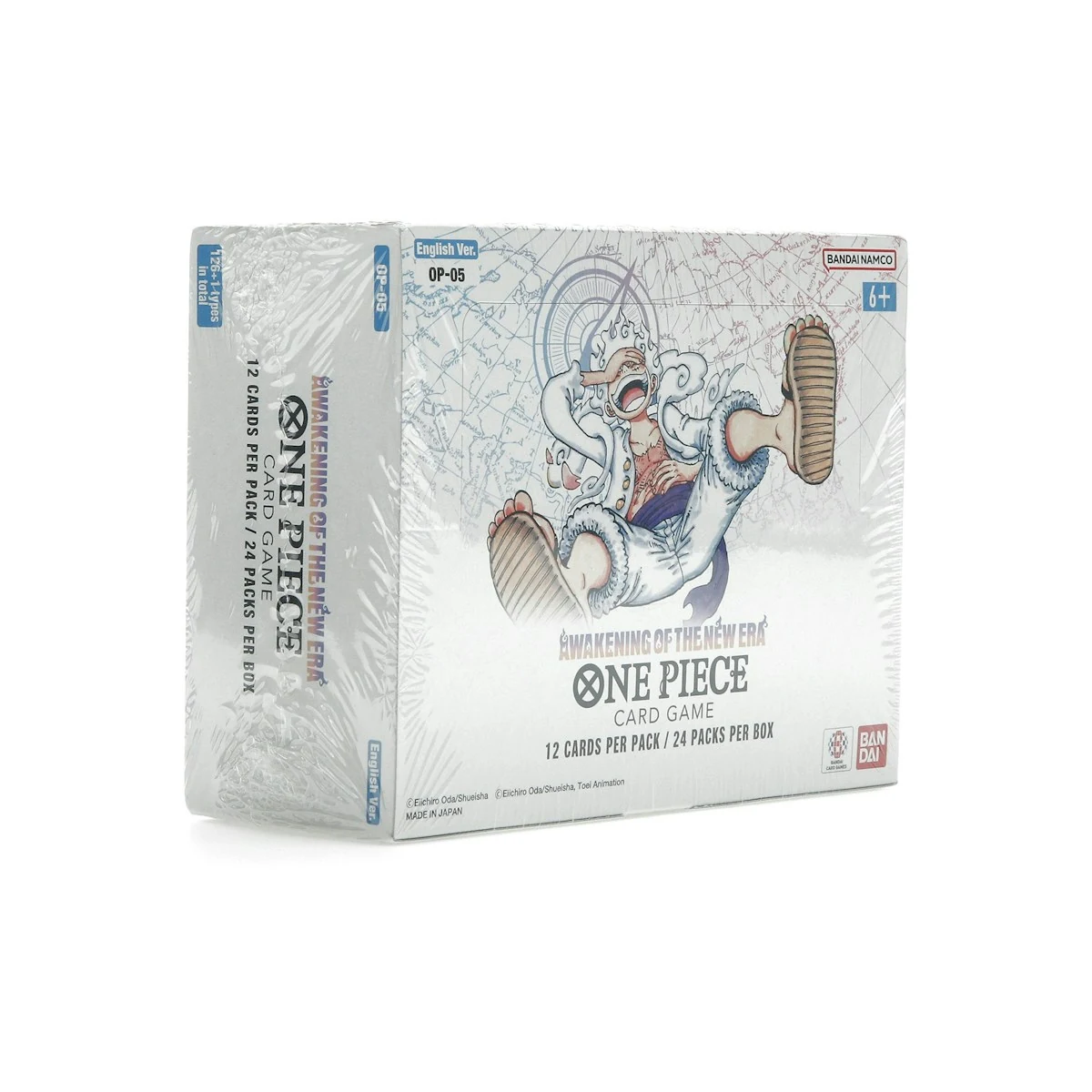
Sealed booster boxes and Elite Trainer Boxes need protection too. Keep the shrink wrap intact, store boxes away from light and heat, and do not stack heavy items on box corners. Acrylic cases are worth it for valuable sealed product: they protect the wrap and corners and make boxes easy to display. Our booster box vs ETB guide covers the different sealed products.
Handling cards safely
- Wash and dry your hands before handling valuable cards.
- Hold cards by the edges, not the face.
- Work on a clean, soft surface such as a playmat.
- Never use rubber bands. They dent edges and the rubber can stick to cards.
- Keep food and drinks well away from your collection.
- Do not write on sleeves or holders with the card inside. Pen pressure can dent the card.
Organizing a growing collection
A system makes your cards easier to find and to value. Choose one that suits the way you collect:
- By set and number for set collectors.
- By Pokémon, character or player for collectors who follow favorites.
- By value, with your best cards in a separate secure box.
Storing trading cards is easier with records. Keep a simple spreadsheet or app list with each valuable card, its condition, where it is stored and what you paid. Photos of your best cards are useful for insurance and for selling later.
Insurance and security
As a collection grows, protect it like any other valuable. Check whether your home insurance covers collectibles, and how much. Some policies cap collectibles at a low amount, and separate collectibles insurance is available. Keep high-value cards in a locked box or a safe, and avoid posting your full collection and location publicly online.
Shipping cards safely
Storing trading cards well at home is only half the job. Cards also need protection whenever they travel, whether you sell a single, trade with a friend or send cards to grading. Most damage happens in the mail, and almost all of it is avoidable.
- Sleeve the card. Card sleeves keep the surface clean if the holder shifts.
- Add a rigid holder. A toploader or semi-rigid holder stops bends.
- Seal the opening. Use a team bag or a small fold of painter’s tape so the card cannot slide out.
- Sandwich it. Place the holder between two pieces of cardboard slightly larger than the holder, and tape the edges of the cardboard, not the holder.
- Use a padded mailer or a small box and add tracking. For valuable cards, a box with padding and insurance is worth the extra cost.
Write “Do not bend” on the package if you like, but do not rely on it. The packing is what protects the card.
Taking cards to events and trade nights
Card shows, league nights and trade meetups are where cards get knocked around the most. A few habits keep your collection safe on the move:
- Carry trade binders with a zip closure so nothing slides out in a bag.
- Bring a small box of spare card sleeves and toploaders for cards you pick up during the day.
- Keep your deck double-sleeved in a hard deck box, not loose in a pocket.
- Leave your most valuable cards at home unless you plan to sell or trade them.
- Never leave cards in a parked car. Interior temperatures climb fast in summer and can warp both cards and plastic.
Storing trading cards for kids
Kids handle their cards constantly, which is half the fun. Storing trading cards for younger collectors is about making protection easy, not perfect.
- Give them a binder they love. A side-loading binder with a zip makes it easy to show off favorites without bending them.
- Use card sleeves on the cards they care about most. Penny sleeves are cheap, and kids learn quickly to sleeve their best pulls.
- Keep a separate “play” deck in deck sleeves, so the binder cards stay safe.
- Agree on a home for the collection, such as one shelf or one box, so cards do not end up under the sofa.
An Elite Trainer Box makes a great first storage box for a young collector: it holds a few hundred cards, includes sleeves and keeps everything in one place.
Common mistakes when storing trading cards
- Putting cards in toploaders without a sleeve first, which lets the card slide and scratch.
- Using toploaders that are too thin for thick relic cards.
- Storing binders flat under a pile of other things.
- Keeping collections in attics, garages or damp basements.
- Displaying valuable cards in direct sunlight.
- Packing storage boxes so tightly that cards bend when removed.
Storing trading cards FAQ
Do I need card sleeves for every card?
No. Bulk commons are fine in a storage box. Use card sleeves for rares, hits and anything you might sell, trade or grade.
Are toploaders or magnetic holders better?
Both protect well. Toploaders are cheaper and best for storing many cards. Magnetic holders cost more but look better on display and seal out dust.
What size toploaders do I need?
Standard 35pt toploaders fit most trading cards. Thick cards such as relics and patches need thicker holders. Check the card’s thickness first.
Can I store cards in a binder long term?
Yes, in a side-loading pocket binder stored upright. Avoid ring binders and overfilled pages for valuable cards.
What is the best temperature and humidity for cards?
Normal indoor conditions, away from heat sources, sunlight and damp. Steady conditions matter more than an exact number. Silica gel helps in humid climates.
Summary
Storing trading cards well comes down to a few simple steps: sleeve every card that matters, use toploaders or magnetic holders for your best cards, keep binders upright, and store everything somewhere cool, dry and dark. These supplies cost far less than the value they protect.
Supplies brands such as Ultra PRO make most of the sleeves, toploaders and binders you will see in card shops. Looking for new cards to add to a well-protected collection? Browse our trading cards, or email support@phantumnine.com with any questions.