How to Spot Fake Pokémon Cards: 10 Easy Checks
Fake Pokémon cards are everywhere: in bargain bins, cheap online listings, “mystery” lots and even resealed booster packs. Some are easy to spot. Others are good enough to fool a quick look. This guide walks through ten checks anyone can do at home to tell a real Pokémon card from a counterfeit, plus what to look for with sealed products and graded slabs.
You do not need special equipment. A real common card from your own collection to compare against, a phone flashlight and good light will catch most fakes.
Table of contents
Why there are so many fake Pokémon cards
Pokémon is the best-selling trading card game in the world, and popular cards like Charizard, Pikachu and modern full-art chase cards sell for real money. That demand makes counterfeit Pokémon cards profitable to print. Most fakes are mass-produced overseas and sold in bulk lots, cheap “booster packs” without proper branding, or single cards listed far below market price.
Fakes hurt everyone: buyers lose money, kids end up with cards that cannot be used in official tournaments, and honest sellers have to work harder to earn trust. Learning the signs protects you whether you collect, play or resell.
10 checks to spot fake Pokémon cards
No single test is perfect. Use several of these checks together, and always compare against a card you know is real, ideally from the same set and era.
1. The light test
Shine a phone flashlight through the card in a dim room. A real Pokémon card has a thin dark layer inside the card stock that blocks much of the light. Many fake Pokémon cards glow brightly because they are printed on plain cardboard. Compare with a real common: the difference is usually obvious.
2. The card back
The back of a real English card has a deep blue border with a smooth swirl pattern and a centered Poké Ball. Fakes often get the colors wrong: too purple, too light or blotchy. The swirl can look grainy or blurred, and the logo may sit off-center. This is one of the fastest ways to spot counterfeit Pokémon cards in a stack.
3. Fonts and spelling
Read every word. Counterfeits often use the wrong font for the HP number, attack names and damage values. Look for spelling mistakes, odd spacing, missing accents (the é in Pokémon) and text that runs too close to the edges. A real Pokémon card has crisp, evenly spaced text.
4. Energy symbols and layout
Check the energy symbols next to attacks and the weakness and retreat icons at the bottom. On fakes they can be the wrong size, the wrong color or simply the wrong type for that Pokémon. Compare the layout with a photo of the same card from an official source.
5. Holo pattern and foil
Holo and reverse-holo cards have specific foil patterns that differ by set. Fake Pokémon cards often have a rainbow foil across the entire card, including areas that should be flat, or a dull holo with no depth at all. Tilt the card under light and compare with real examples from the same set.
6. Texture on modern full-art cards
Many modern ultra rares, full arts and special illustration rares have a fine, fingerprint-like texture you can feel with a fingertip. Fakes are often completely smooth and glossy. If a “special illustration rare” feels like a photo print, be suspicious.
7. Size, edges and corners
Stack the card on top of a real one. Counterfeits are sometimes slightly larger or smaller, with rough cut edges or corners that are too round or too square. Real cards are cut cleanly with consistent corner radius.
8. Card thickness and feel
A real Pokémon card has a firm snap when gently flexed. Many fakes feel thin and flimsy, or overly thick and stiff. If you have a small digital scale, comparing weights against a known real card can also help, as long as both cards are the same type (holo vs non-holo).
9. Set symbol, number and rarity
Every card shows a set symbol, a card number and a rarity mark. Check that the set symbol matches the set the card claims to come from, and that the number and rarity make sense. Secret rares can have numbers above the set total, which is normal, but a card from one set wearing another set’s symbol is a counterfeit.
10. The rip test (only for cards you do not mind losing)
Tearing a card shows its inner layers. A real card shows a thin dark core between the front and back. This is destructive, so only use it on a bulk card from the same lot you suspect, never on a card you want to keep.
Real Pokémon card vs fake: quick comparison
| Check | Real Pokémon card | Common sign of a fake |
|---|---|---|
| Light test | Blocks most light | Glows brightly |
| Back colors | Deep, even blue swirl | Purple, pale or blotchy |
| Text | Crisp, correct font, correct spelling | Wrong font, typos, missing é |
| Foil | Set-specific holo pattern | Rainbow foil everywhere, or flat |
| Texture | Textured on modern full arts | Smooth and glossy |
| Cut | Clean edges, even corners | Rough edges, odd corner shape |
| Feel | Firm snap when flexed | Thin and floppy, or stiff |
Fake Pokémon cards by era
Counterfeiters copy whatever sells, so the fakes you meet depend on what you collect.
Vintage cards (1999–2003)
Base Set, Jungle, Fossil and other early Wizards of the Coast cards are copied heavily, especially holo Charizard, Blastoise and Venusaur. Watch for fake 1st Edition stamps added to unlimited cards, and for “shadowless” claims on cards that clearly have the drop shadow beside the art box. Vintage fakes often have the wrong copyright line at the bottom, so compare the years and wording with a known real copy from the same set.
Modern cards (2016 onward)
Modern fake Pokémon cards copy full arts, gold secret rares, VMAX, ex and special illustration rares. The biggest giveaways are missing texture, wrong foil and colors that look too saturated. Gold cards deserve extra care: real gold secret rares have a textured gold foil, while fakes are often flat yellow or shiny plastic.
“Metal” and “gold” bulk cards
Bundles of shiny gold or black “metal” cards are sold in huge numbers online. They are not real Pokémon cards. The Pokémon Company has only included metal cards in a small number of premium collections, and those came sealed in that product, not in loose bundles of 50.
Japanese and other languages
Japanese, Korean and Chinese cards are faked too. Their backs, card stock and fonts differ from English cards, so a real Japanese card can look “wrong” if you compare it with an English one. Always compare like with like: same language, same era, ideally the same set.
Fakes, proxies and custom cards
Not every unofficial card is a scam. Players sometimes print proxies to test decks, and artists make custom fan cards. These are fine when they are clearly labeled and sold as what they are. The problem is counterfeit Pokémon cards sold as genuine. If a listing does not say “proxy” or “custom”, and the price is close to a real card’s, treat it as a possible fake and check it carefully.
Japanese “orica” cards, custom-made original cards sometimes sold at events, also circulate. They are unofficial and have no value as a real Pokémon card, even when the artwork is beautiful.
Build a simple reference kit
Collectors who buy often keep a small kit for checking cards. It costs almost nothing and catches most fake Pokémon cards in seconds:
- Known real cards: a real common, a real holo and a real modern full art from sets you collect. These are your comparison cards.
- A bright light: a phone flashlight or a small LED torch for the light test.
- A loupe or phone macro mode: printing on a real Pokémon card shows a fine, regular dot pattern. Many fakes look blurry or pixelated up close.
- A small digital scale: useful for comparing a suspect card with a real one of the same type.
- A known fake: one clearly marked counterfeit, so you can remember what a fake feels like.
Keep the kit with your collection and use it before you trade or pay for any card that matters to you.
Fake and resealed sealed products
Counterfeit Pokémon cards also turn up inside fake or resealed packs and boxes. Sealed product is safest when it comes from a store that buys from known distributors, but these checks help when you are unsure.
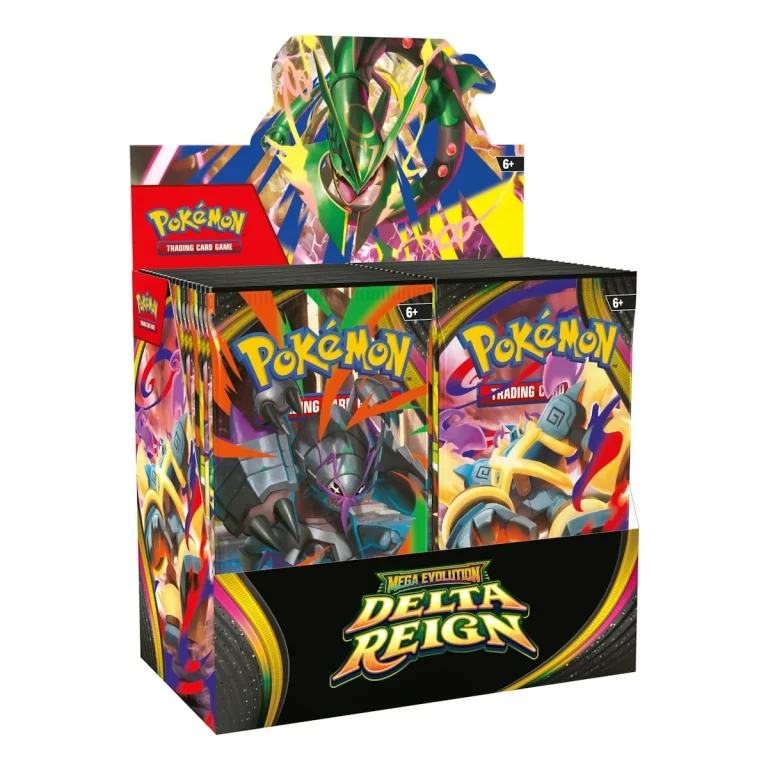
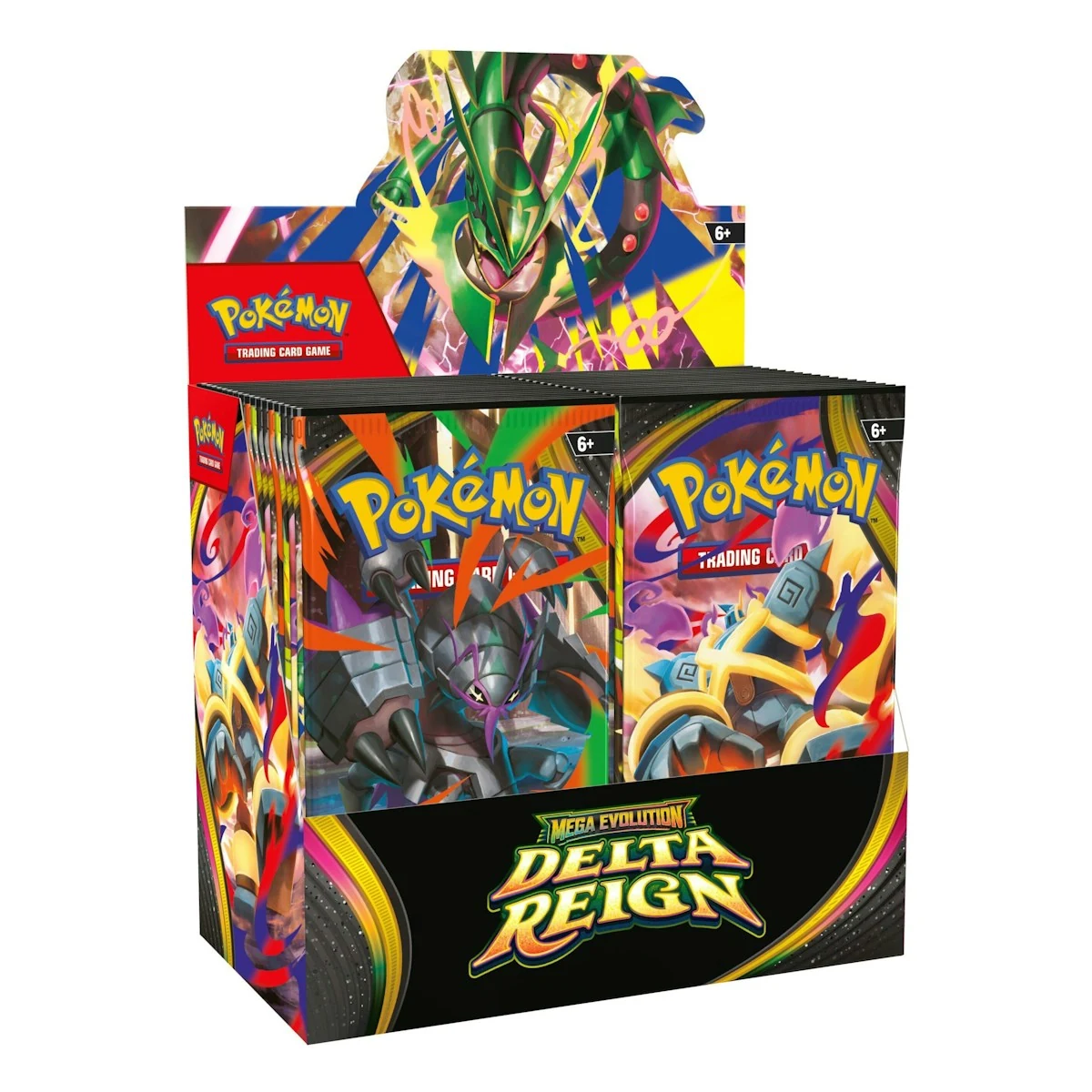
- Shrink wrap: most English booster boxes and Elite Trainer Boxes are sealed in wrap printed with small Poké Ball logos. Loose, bubbled or plain wrap on an English box is a warning sign. Japanese products use different packaging, so compare with photos of the same Japanese release.
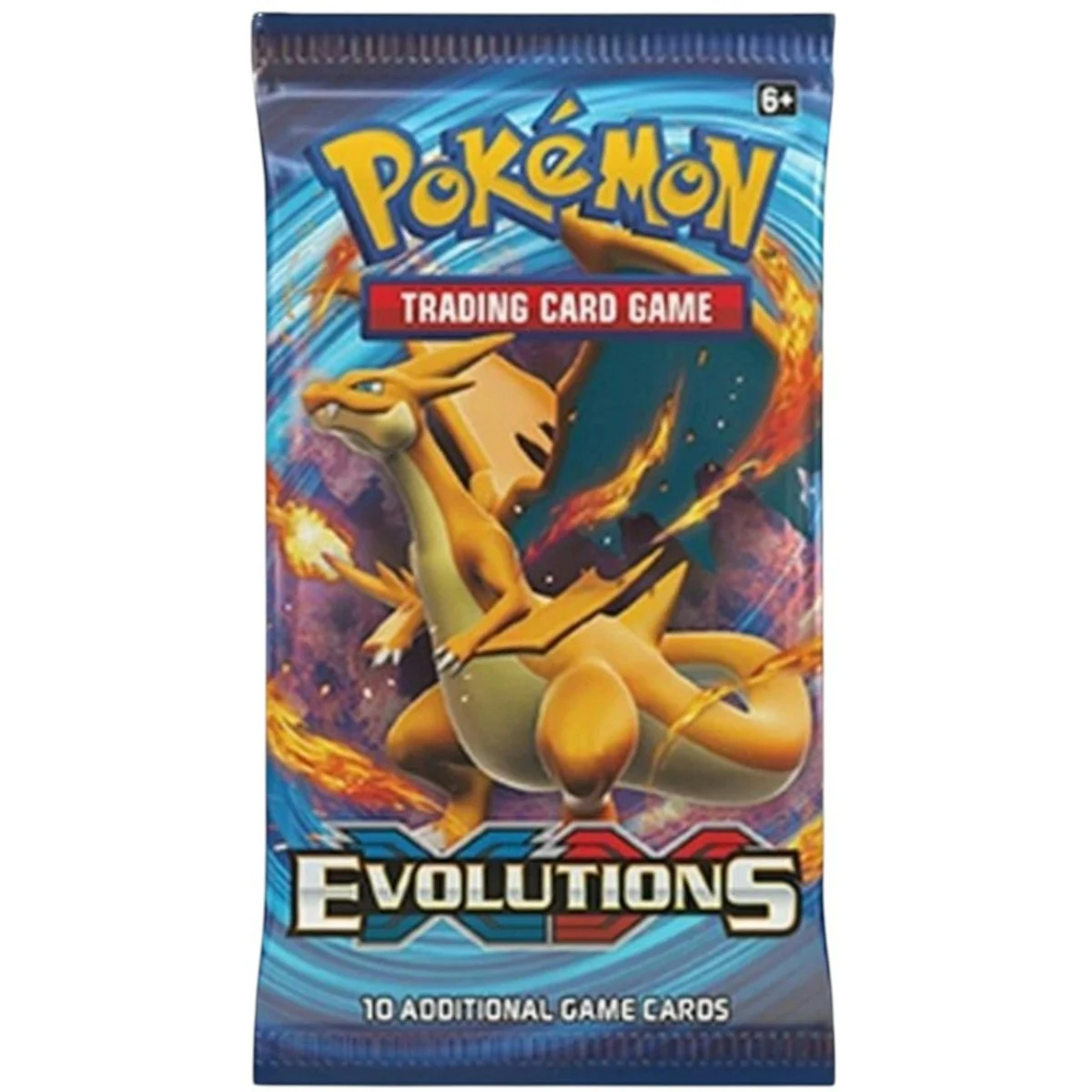
- Pack crimps: the top and bottom seals on a booster pack should be even and tight. Wavy, melted-looking or glued crimps suggest the pack was opened and resealed.
- Pack artwork: blurry printing, wrong set names or packs that say “Pokémon” without the official trading card game branding are fakes.
- Price: a box selling far below every reputable store is almost never a bargain.
Resealed packs are a separate scam: real packs are weighed or opened, the good cards removed, and the pack resealed. Buying sealed boxes and packs from a trusted store avoids both problems. See our sealed boxes and booster packs, all sourced as factory-sealed product.
Fake graded slabs
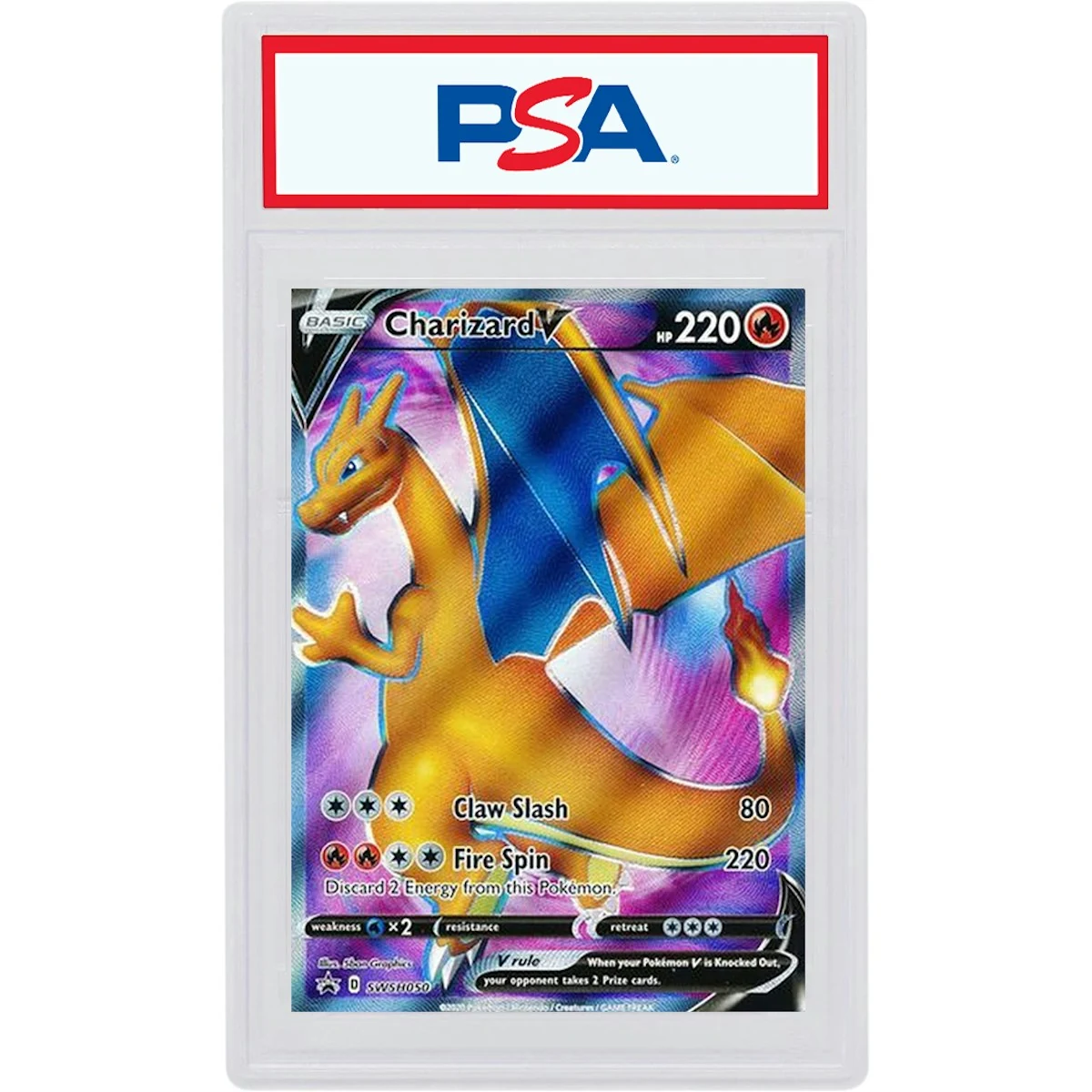
As graded cards rose in value, fake slabs followed. A counterfeit slab may hold a fake card, or a real low-value card with a fake label claiming a higher grade. Protect yourself with three steps:
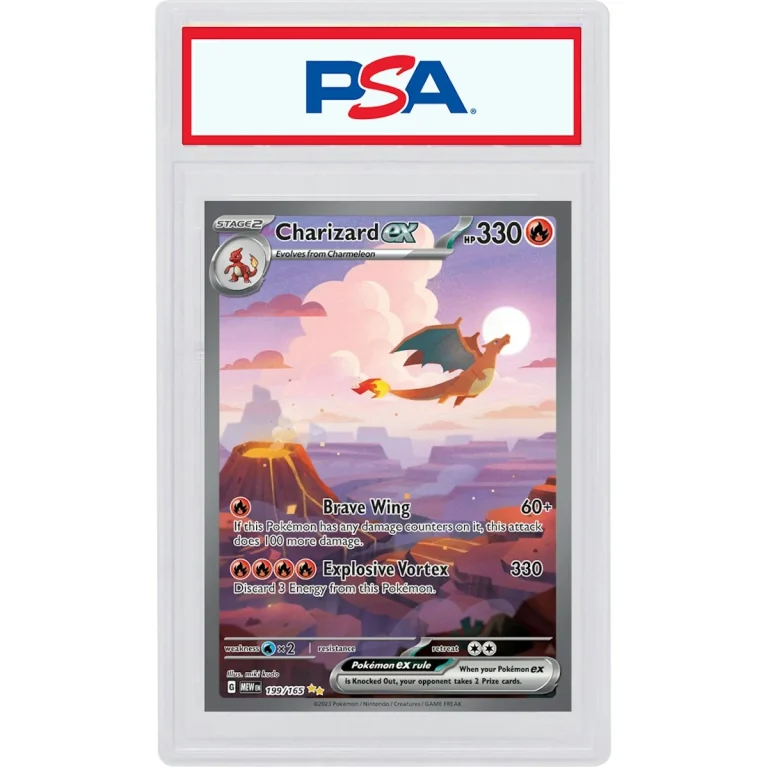
- Look up the certification number on the grading company’s website, such as the PSA cert verification page. The card, set and grade must match exactly, and many entries include photos.
- Inspect the case. Real slabs are sealed cleanly. Gaps, glue marks, scratched seams or a label that looks printed at home are red flags.
- Check the label details. Fonts, holograms and logos on fake labels are often slightly off. Compare with a slab you know is real.
Where to buy without worrying about fakes
The simplest way to avoid fake Pokémon cards is to buy from sellers who stand behind what they sell. Look for clear photos of the actual card, a real returns policy and contact details you can reach. Graded cards from PSA, BGS or CGC add a second layer of protection, because the grading company has already authenticated the card.
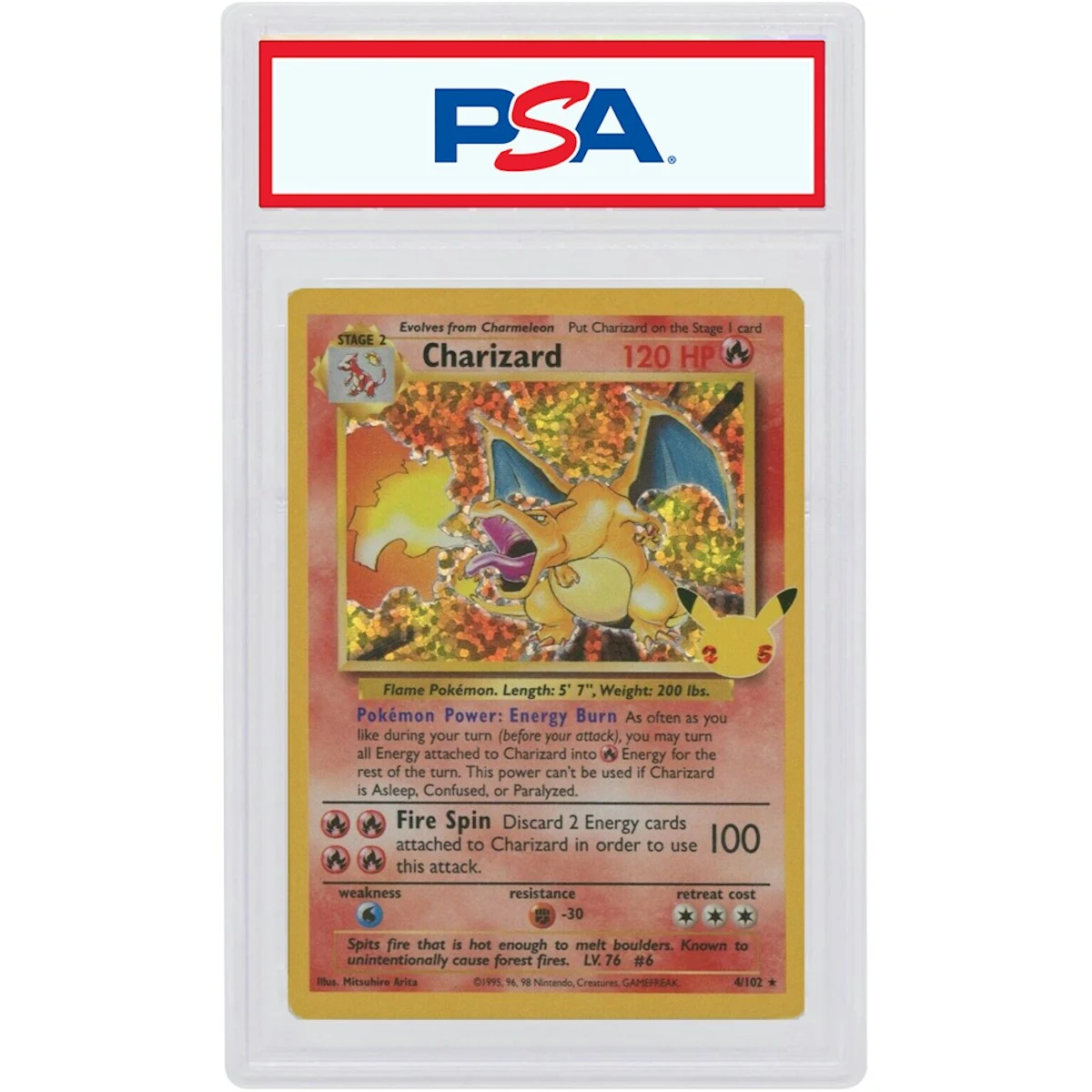
At Phantum Nine every single is photographed and every graded card is checked against its certification before it ships. Browse our Pokémon cards, including graded favorites like the Celebrations Classic Collection Charizard and the Champion’s Path Charizard V.
You can also check card details against The Pokémon Company’s own card database at pokemon.com.
Red flags in online listings
Most fake Pokémon cards are sold online, where you cannot hold the card first. These listing details should make you slow down:
- Stock photos only. A seller with the real card can photograph it. Ask for photos of the front and back, in good light, next to a coin or ruler.
- Huge quantities of rare cards. Dozens of the same chase card at a low price usually means a print run, not a collection.
- “Rare holo” lots with no set names. Real sellers name sets and card numbers.
- Prices well below recent sales. Check sold listings for the same card. A real Pokémon card rarely sells for half its market value.
- No returns. Sellers who stand behind their cards accept returns on items not as described.
None of these prove a card is counterfeit, but two or three together are a strong sign to walk away.
What to do if you bought a fake
- Stop and document it. Take clear photos of the front, back and any packaging, next to a real card for comparison.
- Contact the seller and ask for a refund. Many marketplaces have buyer protection for counterfeit items.
- Open a dispute with the marketplace or your payment provider if the seller refuses.
- Do not resell it as real. If you keep it, mark it clearly as a fake so it never gets passed on by mistake.
Buying Pokémon cards as a gift
Parents and gift buyers are the main targets for counterfeit Pokémon cards, because cheap “100 card” bundles and unbranded tins look like great value. For a gift, a sealed Elite Trainer Box, booster bundle or single booster pack from a real store is the safest choice. Kids can also use real cards at official events and in the Pokémon TCG Live app with the code cards included in most English products, which fakes never have.
Fake Pokémon cards FAQ
Are fake Pokémon cards worth anything?
No. Counterfeit Pokémon cards have no collector value and cannot be used in official play. Some collectors keep a few as reference cards for spotting fakes, clearly marked as counterfeit.
Can fake Pokémon cards be graded?
Major grading companies authenticate cards and will not grade a counterfeit. The card is returned ungraded, so buying graded is a reliable way to avoid fakes.
Is the light test always reliable?
Not always. Some real cards let a little light through, and better fakes block more light than cheap ones. Use it with the other checks, not alone.
Are Japanese Pokémon cards fake more often?
Japanese cards are faked too, and their backs look different from English cards. Compare a Japanese card with a known real Japanese card, not with an English one.
How can I tell if a real Pokémon card is worth grading?
Once you know a card is real, check its condition and recent sold prices. Our card grading guide explains PSA, BGS and CGC and when grading pays off.
Summary
Most fake Pokémon cards fail at least two of these checks: the light test, the card back, fonts and spelling, the holo pattern or the texture. Compare against a real card, look closely at sealed packaging, and verify every graded slab’s certification number. When in doubt, buy sealed product and graded singles from a store that stands behind them.
The more real cards you handle, the faster fakes stand out. Keep a few known real cards nearby, take your time with any expensive purchase, and trust the feeling when something about a card looks or feels off. A careful two-minute check is far cheaper than a counterfeit chase card.
Questions about a card you are unsure of? Email support@phantumnine.com with clear photos and we will tell you what we see.